

Professional-grade trellis netting for canopy management — SCROG screens, vertical tutoring and espalier support. Made from 100% virgin extruded polypropylene with high-quality UV inhibitors, rated to last 5–7 years under the Mexican sun, which is a harsher test than almost any US greenhouse will give it.
Netting replaces raffia and hand-tying: one pass to install, then the crop supports itself as it grows through the mesh. Less labour per row, less stem damage from tying, and a canopy that holds its shape through harvest.
HORTOMALLAS Agricultural Catalog PDF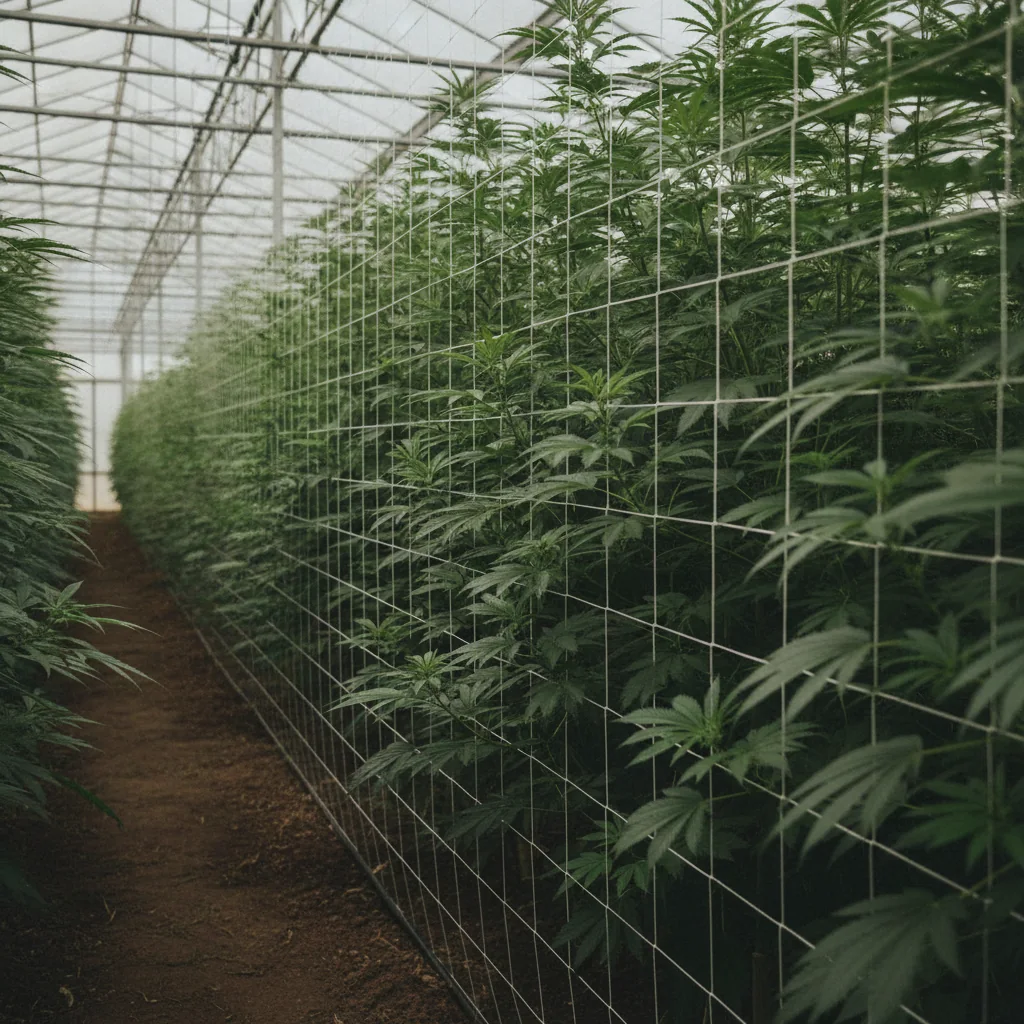
Our US standard line. Three widths, all on 4,920 ft rolls with a 5.9″ × 6.7″ mesh. 10 ft width is also available and wider sizes can be special produced.
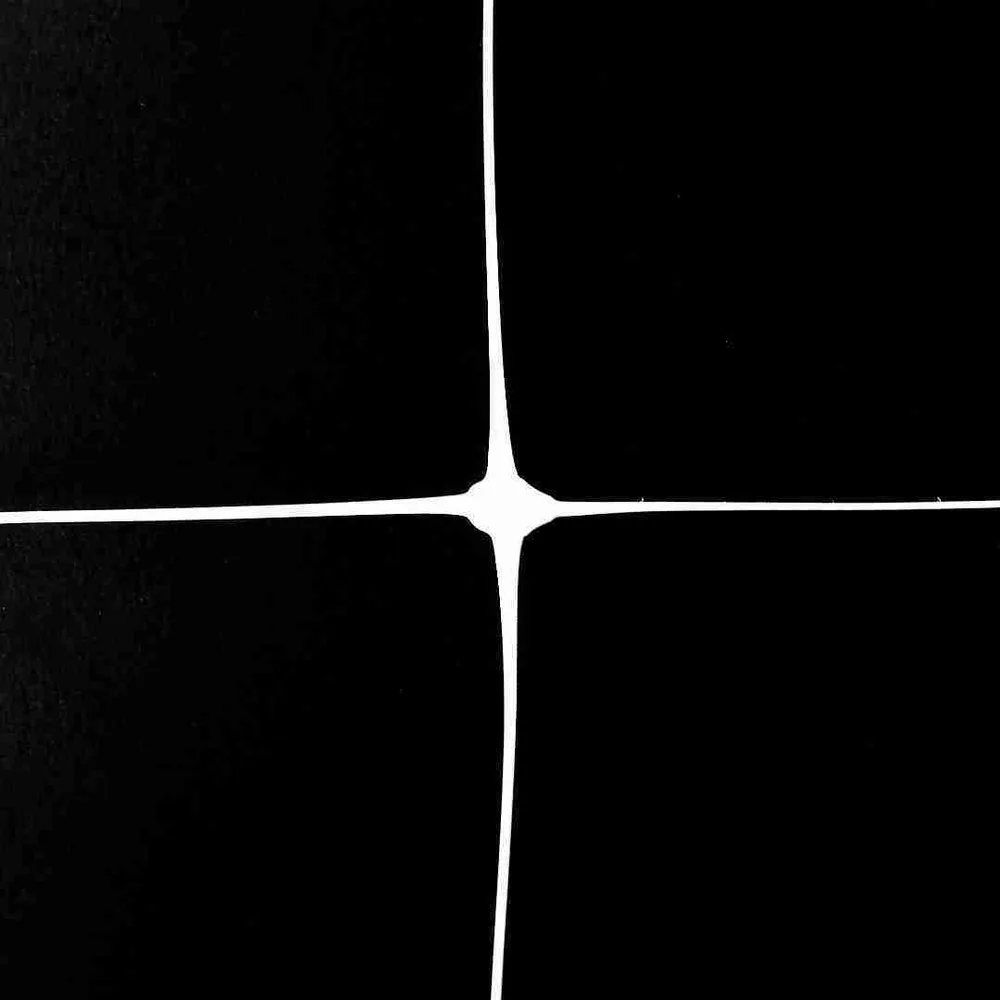
The tallest standard width — full-height trellising for indeterminate crops and multi-tier canopies.
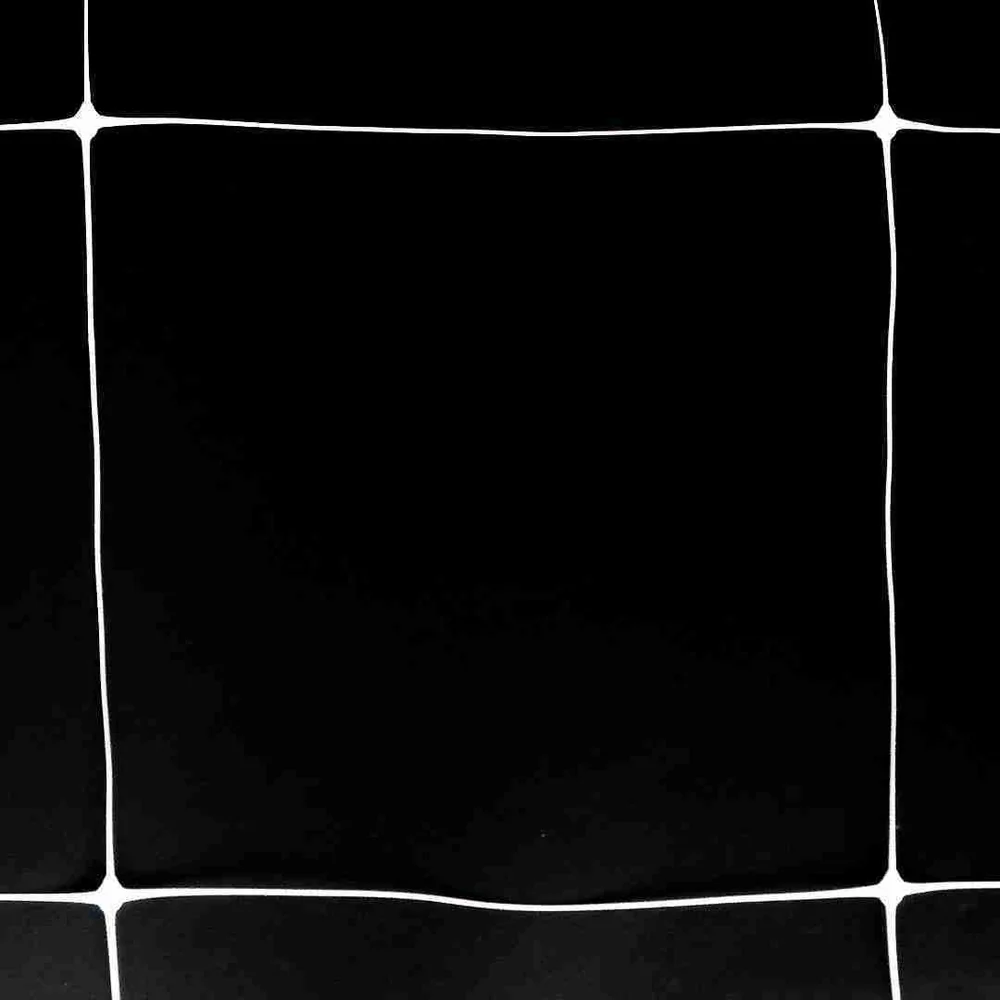
The workhorse width for most commercial rows and SCROG screens at bench height.
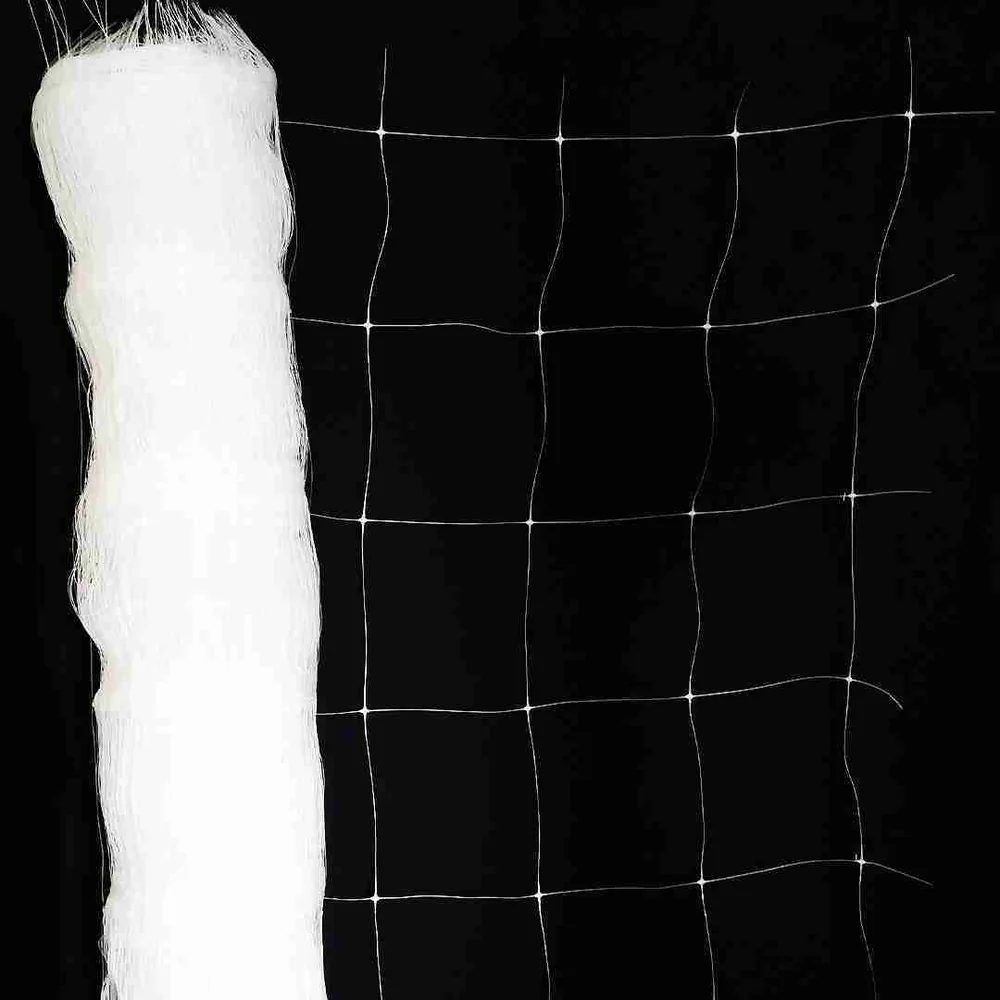
Lower-profile support for shorter crops, single-layer SCROG and tighter row spacing.
Softer polyester mesh on short 350 ft rolls, sized for room-by-room SCROG work rather than field runs. A 6″ × 6″ square opening — the standard for training a canopy flat.
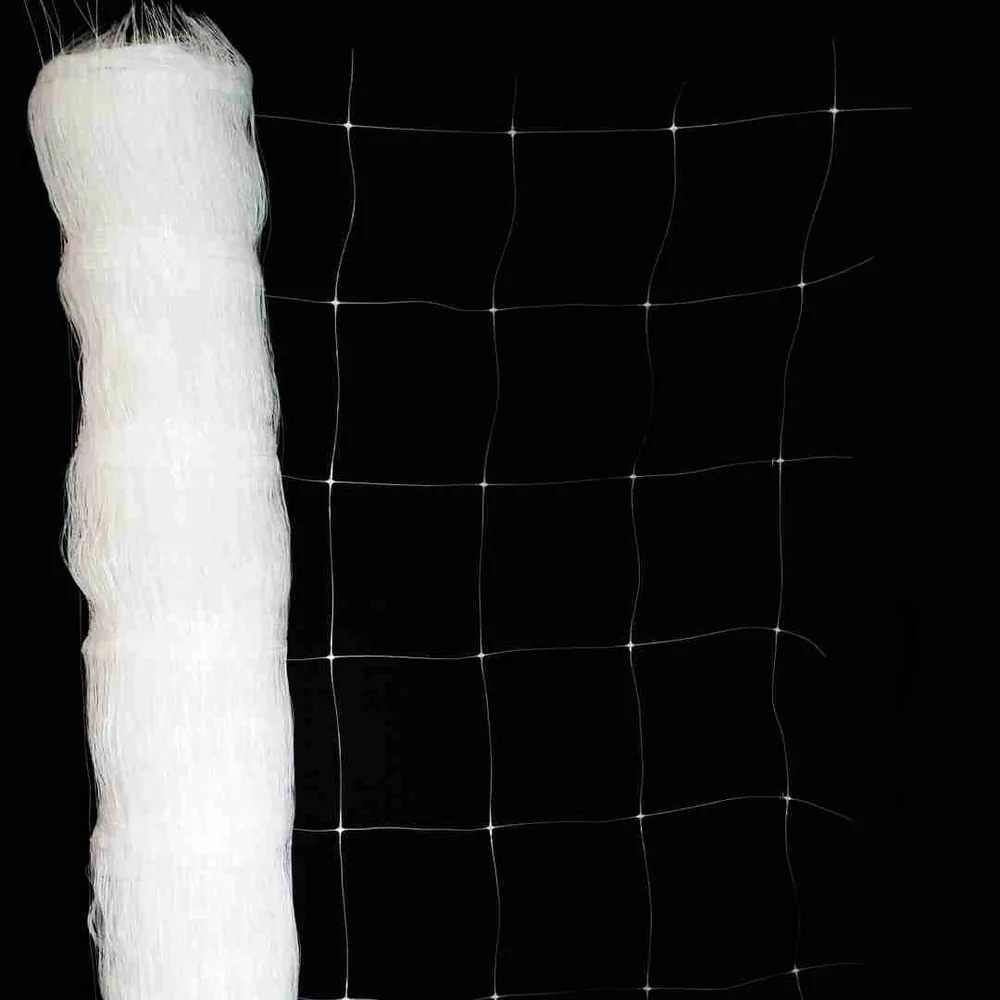
12 rolls per master carton. Soft on stems — the usual pick for a flowering canopy.
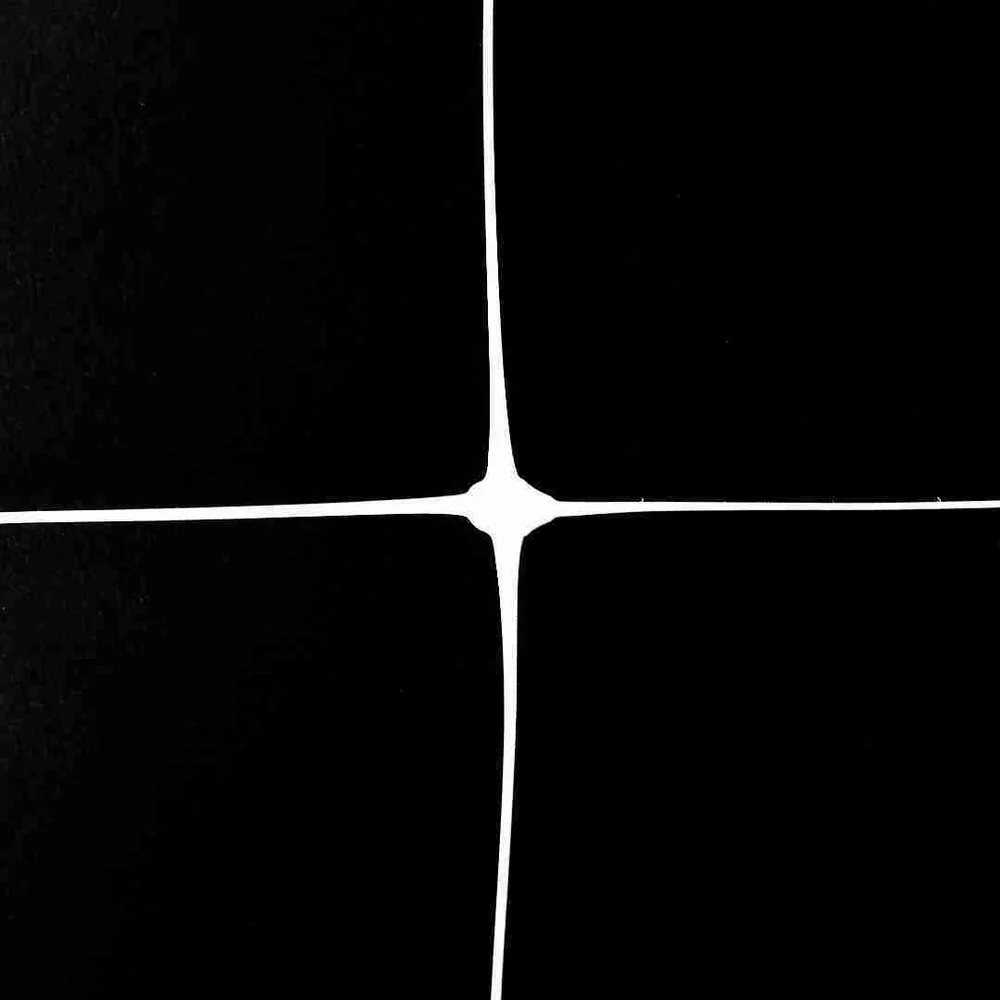
8 rolls per master carton. Extra width for taller screens or double-layer training.
Trellis netting and SCROG mesh are what we stock. HORTOMALLAS makes a much wider agricultural line, and we can order any of it for you — these are not held in inventory, so ask and we will quote lead time and freight with the rest of your order.
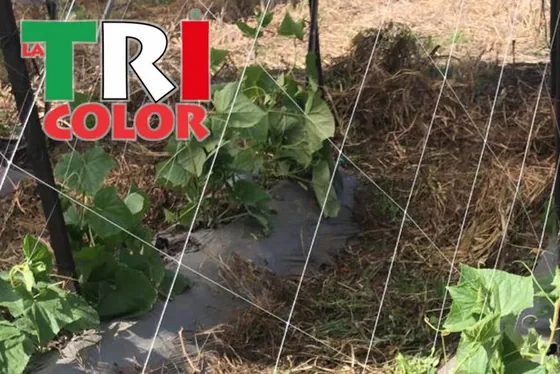 LA TRICOLORTutoring net / crop netting, 25 x 25 cm mesh in green, white and red. UV-stabilised polyethylene.Sizes, specs & photos →
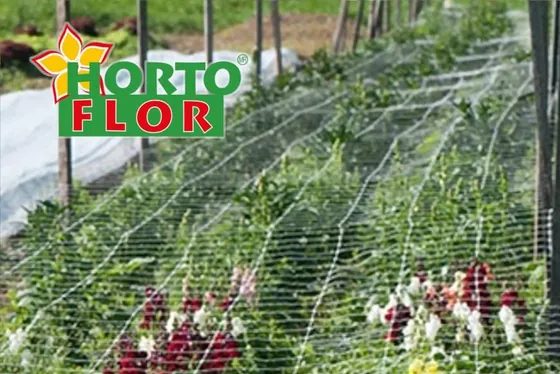 HORTOFLORFlower support net, 15 x 17 cm mesh, white polypropylene, on 1.02 x 1000 m rolls.Sizes, specs & photos →
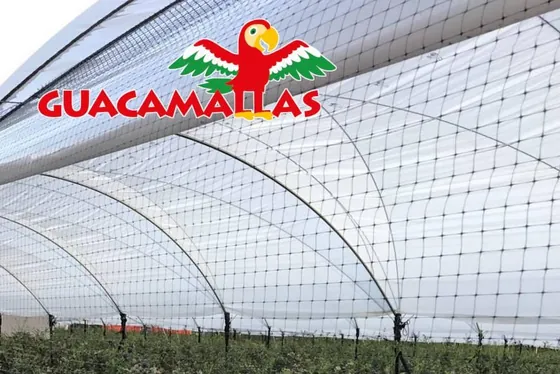 GUACAMALLASAnti-bird netting for orchards and vineyards, including the -T and -D weights.Sizes, specs & photos →
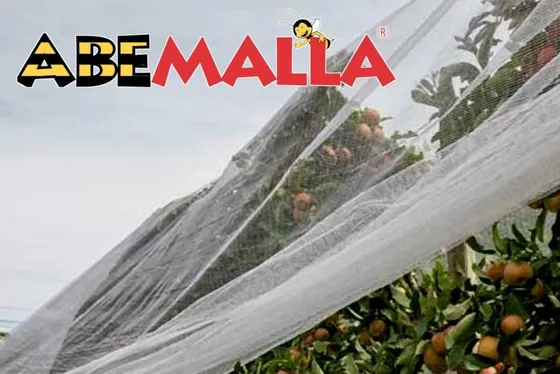 ABEMALLAAnti-pollinizer mesh — keeps pollinating insects off seedless citrus while staying open to air.Sizes, specs & photos →
 INVERNAVELONon-woven polypropylene frost blanket in 15, 19 and 25 gr weights.Sizes, specs & photos →
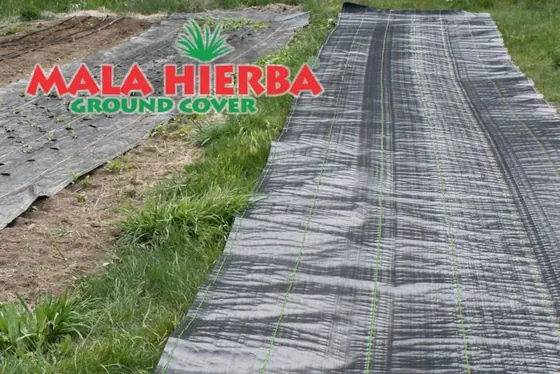 MALAHIERBAGround-cover weed barrier fabric.Sizes, specs & photos →
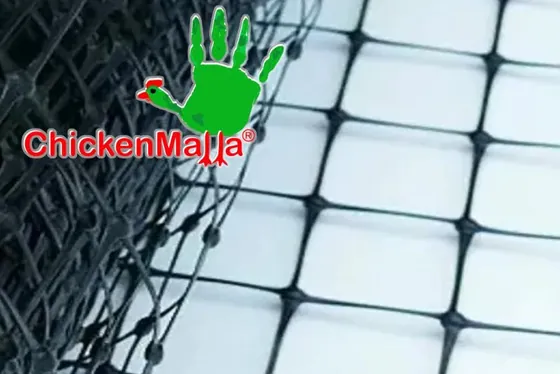 CHICKENMALLAPoultry and enclosure mesh, 16-19 through 30-33 plus the reinforced -X grades.Sizes, specs & photos →
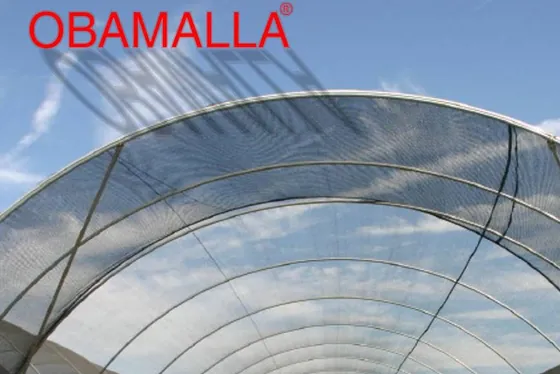 OBAMALLAShade cloth for shade houses and greenhouses, 35% and 50%.Sizes, specs & photos →
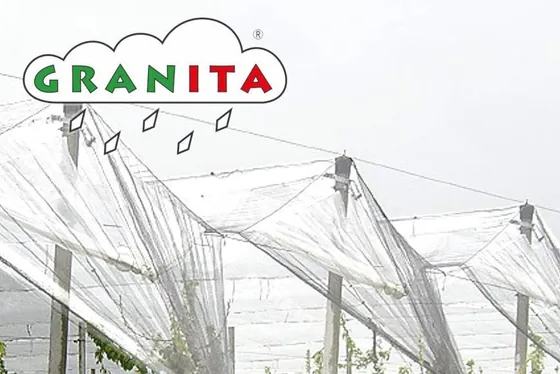 GRANITAAnti-hail netting.Sizes, specs & photos →
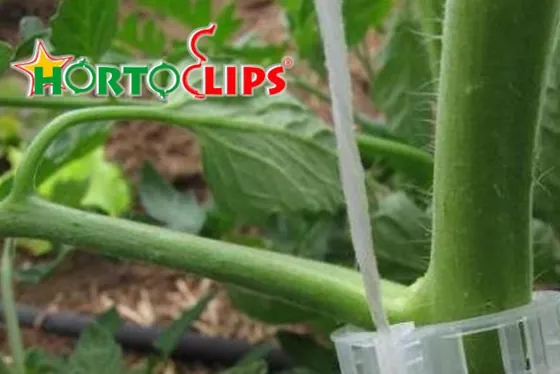 HORTOCLIPSTrellis clips for guiding tomatoes and other vine crops.Sizes, specs & photos →
 POLY-HARDWAREProtective mesh against herbivores — Q5, Q10, Q20, C, J, A, M, T and HEX grades.Sizes, specs & photos →
Each line has its own page with every size, full specifications and more photography. Ask us about any of these →
Six-inch square is the working standard for cannabis screen-of-green, and the SCROG soft polyester line is 6″ × 6″. The polypropylene HORTOMALLAS line is 5.9″ × 6.7″ — a slightly rectangular opening from the bi-oriented extrusion process, which in practice supports a cannabis canopy the same way. Both are wide enough to reach through for defoliation and harvest, and tight enough to catch lateral branching at the internode.
They describe how the net is used more than what it is. A SCROG net is run horizontally over the bed so tops grow up through it and the canopy flattens to an even light plane. Trellis netting is the same material run either horizontally or vertically between posts to support the plant as it stretches. Here the practical difference is the material: extruded polypropylene for structural support and long service life, soft polyester where you want give against the stem.
Most commercial rooms run two. The first goes on before stretch and sets the canopy plane; the second goes 8–12 inches above it once the plants push through, and carries the flower weight late in bloom. Short-cycle or lower-yielding cultivars are often fine on one layer. Because the rolls are continuous, you cut each layer to the exact bay length rather than splicing panels.
The polypropylene line is rated 5–7 years of UV exposure, which for an indoor or greenhouse room is a conservative floor, and it is rated resistant to bacteria, mould and common agricultural chemicals so it can be cleaned between crops. Whether you reuse it is usually a labour decision rather than a material one: stripping spent growth out of a net can cost more than the net.
Work in linear feet per layer: bed length × number of rows × layers. Ten rows of 100 ft beds is 1,000 linear feet per layer, so a 4,920 ft roll covers roughly four to five such rooms single-layer, or two at two layers deep. Pick the width from your bed, not your room — 4 ft, 5 ft and 6.5 ft are stocked, 10 ft is available, and other sizes can be special produced.
Match the net width to the bench or bed width so the edges land on your support points. Standard 4 ft and 5 ft benches take the 4 ft and 5 ft rolls run lengthwise; 6.5 ft suits wider beds, taller screens, or a double-layer install where you want margin to tension against. Minimum order is 5 rolls.
| Line | Widths | Roll length | Mesh | Material |
|---|---|---|---|---|
| HORTOMALLAS Trellis Netting | 4 ft · 5 ft · 6.5 ft | 4,920 ft | 5.9″ × 6.7″ | 100% virgin extruded polypropylene, UV-inhibited |
| SCROG Soft Mesh Polyester | 5 ft · 6.5 ft | 350 ft | 6″ × 6″ | Soft polyester mesh |
| Origin | Manufactured in Mexico · stocked and distributed in the US (Salinas CA, Fontana CA, Humble TX) | |||
Full specs, common questions and a quote request for each.